The pleasure gap nobody talks about
Here's what they don't tell you before pelvic surgery: your clitoris didn't go anywhere, but how it feels might change completely. After a hysterectomy, endometriosis excision, or any significant pelvic procedure, pleasure can feel muted, numb, or weirdly painful in ways that make you question whether it's even worth trying again.
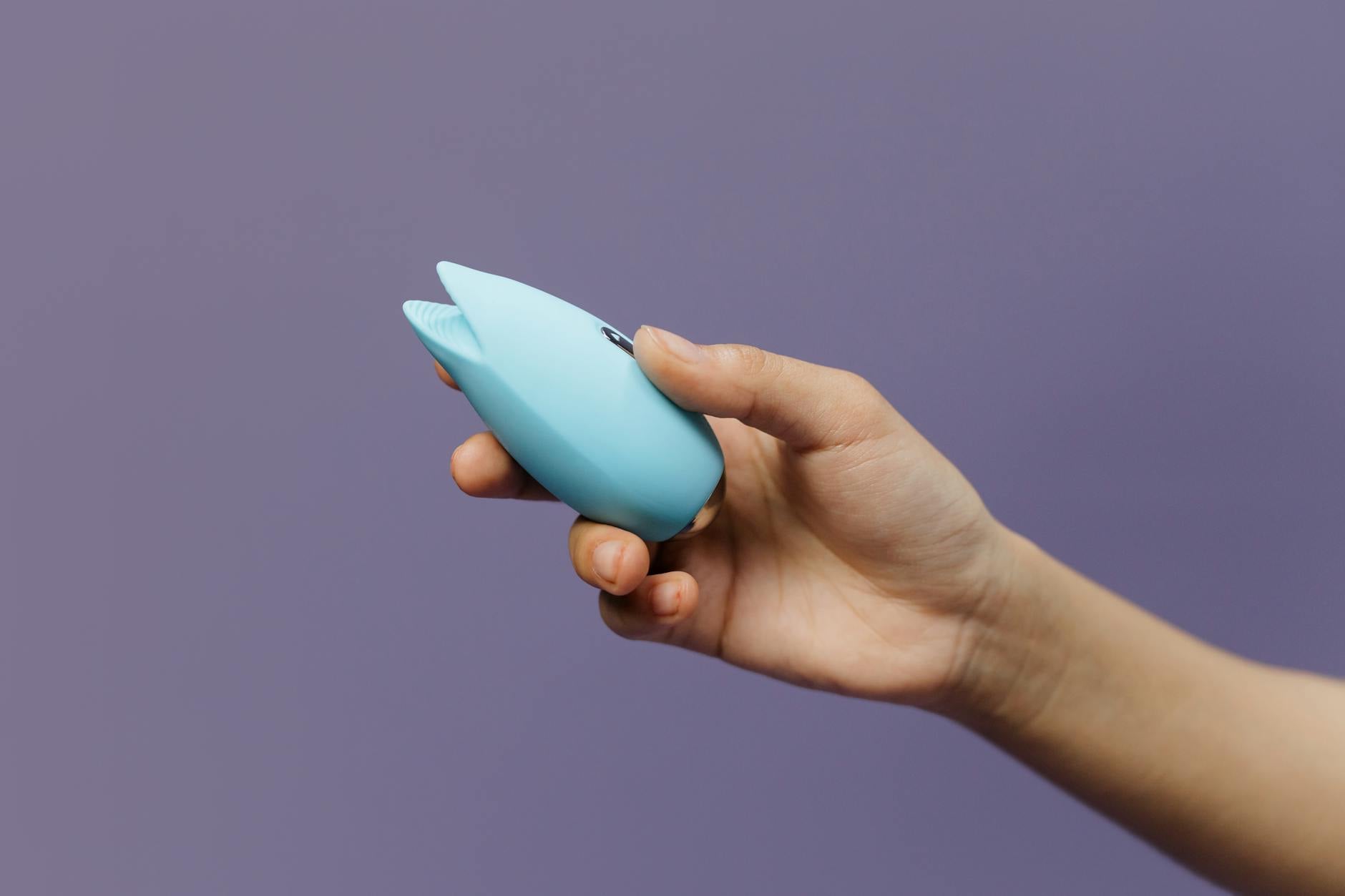
That's not in your head. Pelvic surgery affects nerve pathways, tissue density, and the surrounding connective tissue that supports sensation. The good news? Recovery is possible. But it looks different than what worked before. Air-suction clitoral vibrators like the Lem offer a gentler re-entry point than traditional vibration.
What actually happens to sensation after pelvic surgery
When a surgeon works in the pelvis, they're navigating around the pudendal nerve, the clitoral nerves, and layers of fascia and connective tissue. Even with perfect surgical technique, this creates inflammation, scar tissue formation, and temporary nerve irritation. For some people, that resolves in weeks. For others, it takes months or longer.
Three main changes happen post-surgery:
Nerve inflammation and dormancy. Nerves that were stimulated regularly suddenly aren't. They can feel "asleep." Touch that once felt pleasurable might feel dull or even painful because the nerve is healing but not yet fully responsive.
Scar tissue formation. Fascia tightens. This can compress nerve endings and reduce blood flow to the clitoris, which means less natural lubrication and slower arousal response.
Altered proprioception. Your brain's map of your pelvic region shifts. You might feel pleasure in slightly different spots, or notice that pressure needs to be lighter or heavier than it used to be.
Here's the part that matters for choosing the right tool: traditional vibrators use mechanical oscillation. They move back and forth very fast, usually 40-100+ times per second. For healing nerves, that can feel overwhelming, numbing, or even painful.
Why air-suction works differently than vibration
Air-suction technology (like you get with the Lem vibrator) operates on a totally different principle. Instead of vibrating, it creates gentle pulses of suction and release around the clitoral area. The Lem, for example, oscillates at a much lower frequency and creates a pulsing, massaging sensation rather than rapid vibration.
For post-surgery bodies, this matters because:
Lower intensity entry point. You can start with the gentlest suction setting and work up slowly. There's no threshold where it suddenly becomes overwhelming. Gradual escalation lets healing nerves wake up without shock.
Broader stimulation pattern. Suction engages a wider area of tissue and more nerve pathways than a single vibrating point. This distributes sensation more evenly and can feel less intense even though it's actually quite effective.
Increased blood flow. The gentle pulse of suction encourages blood circulation to the area. Post-surgery, blood flow is often compromised by scar tissue. Better blood flow means faster healing and better sensation recovery over time.
Natural response. Suction mimics aspects of how the body naturally responds to arousal. The clitoris is highly vascular and naturally engorges. Suction encourages that process gently, whereas vibration overrides it.
The timeline for pleasure recovery
Everybody's different, but here's a realistic picture from what I see clinically.
Weeks 1-6: Focus on healing. Most surgeons recommend waiting 2-6 weeks before any sexual activity, depending on the type of procedure. This isn't arbitrary. Tissue needs time to stop bleeding and start forming stable scar tissue. Use this time to rest, move gently, and rebuild trust with your body.
Weeks 6-12: Gentle exploration. This is where a clitoral vibrator becomes useful, but only if it's gentle. Many people rush to their old toys and feel disappointed or even traumatized by the intensity. The Lem vibrator's lowest settings are perfect here. Try 5-10 minute sessions, no pressure to orgasm. You're mapping sensation again.
Months 3-6: Gradual intensity building. As nerves desensitize and tissue stabilizes, you can explore higher settings. By month 4 or 5, most people find orgasm returning. It might feel different (less intense, more localized, or actually more full-body). That's normal.
Months 6+: Integration. Pleasure feels recognizable again, though maybe not identical to pre-surgery. Many people find they actually prefer how sensation feels now because they're less numb overall.
Specific tips for using the Lem after pelvic surgery
If you're thinking about trying the lemon clitoral vibrator post-surgery, here's what works:
Start with pattern 1. Not even the "massage" setting if one exists. The lowest, gentlest option. Your nervous system has been through trauma. Go slow.
Use lube. Always. Post-surgery tissue is often drier. Water-based lubricant reduces friction and makes the suction feel more comfortable. It also conducts sensation more evenly.
Keep sessions short at first. Fifteen minutes is plenty. You're not trying to orgasm. You're building a gentle dialogue with your clitoris again.
Notice what changes. Does sensation return to one spot first? Does it take longer to build arousal? Do you need a different kind of pressure than before? These observations help you understand your healing process and adjust accordingly.
Don't force orgasm. Pressure to come actually delays recovery by tensing muscles and creating performance anxiety. Focus instead on sensation and pleasure. Orgasm will return when your nervous system feels safe again.
When to get professional support
If pain persists beyond 6-8 weeks post-surgery, or if numbness doesn't improve by month 4, talk to your surgeon or a pelvic floor physical therapist. Sometimes scar tissue needs gentle treatment, or your pelvic floor is holding too much tension.
A pelvic floor PT is worth the investment anyway. They can map your specific nerve recovery, recommend specific movements, and help scar tissue remodel more efficiently. Combined with a gentle tool like the Lem vibrator, you'll recover faster.
Sex and pelvic floor therapists are also specialists who understand this territory. They know the difference between normal post-surgical sensation changes and complications. If you feel like you're not progressing, they're worth consulting.
The emotional layer nobody mentions
After pelvic surgery, pleasure often gets tangled up with fear. Fear that you're damaging something. Fear that it'll never feel the same. Fear that your partner will lose interest. That psychological layer actually slows physical recovery because tension holds pleasure hostage.
Here's the reframe: your body just showed incredible resilience. Surgery is healing. Your nervous system is rewiring. This is a moment to be genuinely curious about pleasure instead of demanding it work the way it used to.
Most people who move through recovery methodically with a gentle tool like a lemon vibrator find that they eventually feel deeper, more integrated pleasure than before. Not because the surgery was good, but because slowing down forces attention. Attention is where real pleasure lives.
FAQs on pleasure recovery after pelvic surgery
Can you use a vibrator right after surgery?
No. Wait until your surgeon clears you for sexual activity, usually 2-6 weeks depending on the procedure. Even then, wait another week or two before using a vibrator. You want tissue to be stable enough to handle stimulation without re-opening. Your surgeon should tell you when it's safe. If they don't mention it, ask specifically.
Why does stimulation hurt when it didn't before surgery?
Post-surgery pain during or after stimulation usually comes from scar tissue compression, nerve inflammation, or muscles holding tension as a protective reflex. This isn't permanent, but it means you need gentler tools and slower progression. The Lem vibrator's suction approach is less likely to trigger pain than traditional vibration because it's less jarring. If pain persists beyond 8 weeks, see a pelvic floor PT.
Will my clitoris be numb forever after a hysterectomy?
No. Nerve recovery takes time, but most people regain sensation within 3-6 months. Some recover faster, some slower. The key is patience and gentle, consistent stimulation that doesn't override the healing process. Numbness often masks itself as disinterest in sex, when really your nervous system is just recalibrating.
How is a clitoral suction vibrator different from a regular vibrator after surgery?
Suction creates a gentler, broader stimulation pattern than vibration. Vibration can feel jarring or overwhelming to post-surgery nerves. Suction encourages blood flow and engages a wider area, which helps awakening sensation feel more natural. It's like the difference between someone tapping you repeatedly versus gently pulling you closer. Same goal, completely different physical experience.
Should I tell my partner about using a lemon vibrator during recovery?
If you have a partner, yes. Not as a confession, but as information. "I'm working on sensation recovery, and I'm exploring what feels good with a tool that's designed for healing," frames it as recovery, not replacement. Partners often feel relieved to understand what you're doing instead of guessing. If you're reclaiming pleasure solo during recovery, that's equally valid and you don't owe an explanation. But honesty builds trust.
How long before I can use regular vibrators again?
There's no set timeline. Some people feel ready at 3 months, others at 6. The test is whether your healing tissues can handle it without pain, and whether your nervous system has recovered enough to enjoy higher intensity. Many people find that after using a gentle tool like the Lem through early recovery, they actually prefer how it feels and keep using it long-term. High intensity isn't better. It's just different.
Recovery is real, and so is pleasure afterward
Pelvic surgery changes your body. It doesn't end your sexuality. Coming back to pleasure methodically, with the right tools and patience, often creates a foundation that's actually more stable than what came before. The Lem vibrator's approach to gentle, sustained stimulation mirrors how the body naturally heals. Use it, trust the process, and give yourself permission to rebuild sensation on your own timeline.
Your pleasure matters. Your recovery matters. And you're not alone in this.
If you're navigating this terrain and need guidance specific to your situation, reaching out to a pelvic floor specialist or a sex therapist trained in trauma-informed care can make all the difference. The path back to pleasure is shorter than you think.
Related reading
For more on gentle approaches to pleasure, you might also explore how to use a lemon vibrator for better sensation after pelvic surgery or why lemon vibrators work for a sensitive clitoris with vaginismus to understand how air-suction tools support bodies with heightened sensitivity or pain patterns.
If you have questions about your specific recovery, contact us or consult your healthcare provider about pelvic floor physical therapy resources.