Here's what happens when initiation stops
Your partner used to reach for you. Then one day, the reaching slowed down. Maybe it was subtle. Maybe it happened after kids, a job change, medication, or just the slow drift of a long-term relationship. Now you're the one always asking, always suggesting, and that weight gets heavy. You start wondering if they still find you attractive. If something is broken. If you should just stop trying.
This is one of the most common transitions couples face. And here's the thing nobody tells you: using a lemon vibrator during this phase isn't about giving up on partnered sex. It's about reclaiming your own pleasure so you stop waiting for permission to feel good.
Why waiting for your partner to initiate backfires
When initiation becomes one-sided, two things happen simultaneously. First, you start monitoring their desire like a hawk, which kills yours. You're tracking mood, timing, body language, looking for signals that they might want you. This hypervigilance exhausts your nervous system and makes genuine arousal almost impossible.
Second, your partner often feels the pressure and withdraws more. They sense your waiting, your hope, your disappointment. Even if they love you, that's a heavy load to carry. The gap widens.
Let me be direct: staying sexually silent while your partner is less interested usually makes things worse, not better. You need to reclaim your own pleasure first. That's not selfish. That's the foundation for everything that comes next.
How solo pleasure with a lemon vibrator changes the dynamic
When you start using a lemon clitoral vibrator for your own pleasure, separate from partner sex, you're doing three radical things.
First, you're telling your nervous system that pleasure doesn't require your partner's initiation. This shifts you from anxious waiting to active agency. That shift is noticeable. You're calmer, more confident, less resentful.
Second, you're modeling that sexuality is a normal part of your life, not something that requires negotiation. Partners who withdraw often do so because sex has become loaded with expectation and emotion. When they see you enjoying yourself independently, sex becomes less scary and less like a test of their love.
Third, you're meeting your own needs so you're not entering partnered sex from a place of desperate hunger. This is huge. Couples therapists call this bringing your "best self" to intimacy. It means you can be present and genuinely interested instead of performing gratitude.
Setting up your independent pleasure practice
Start small. You don't need a complicated ritual. Pick a time when you have privacy, ideally when you're not stressed or touched-out. Morning before the house wakes up. Lunch break at home. After the kids go to bed.
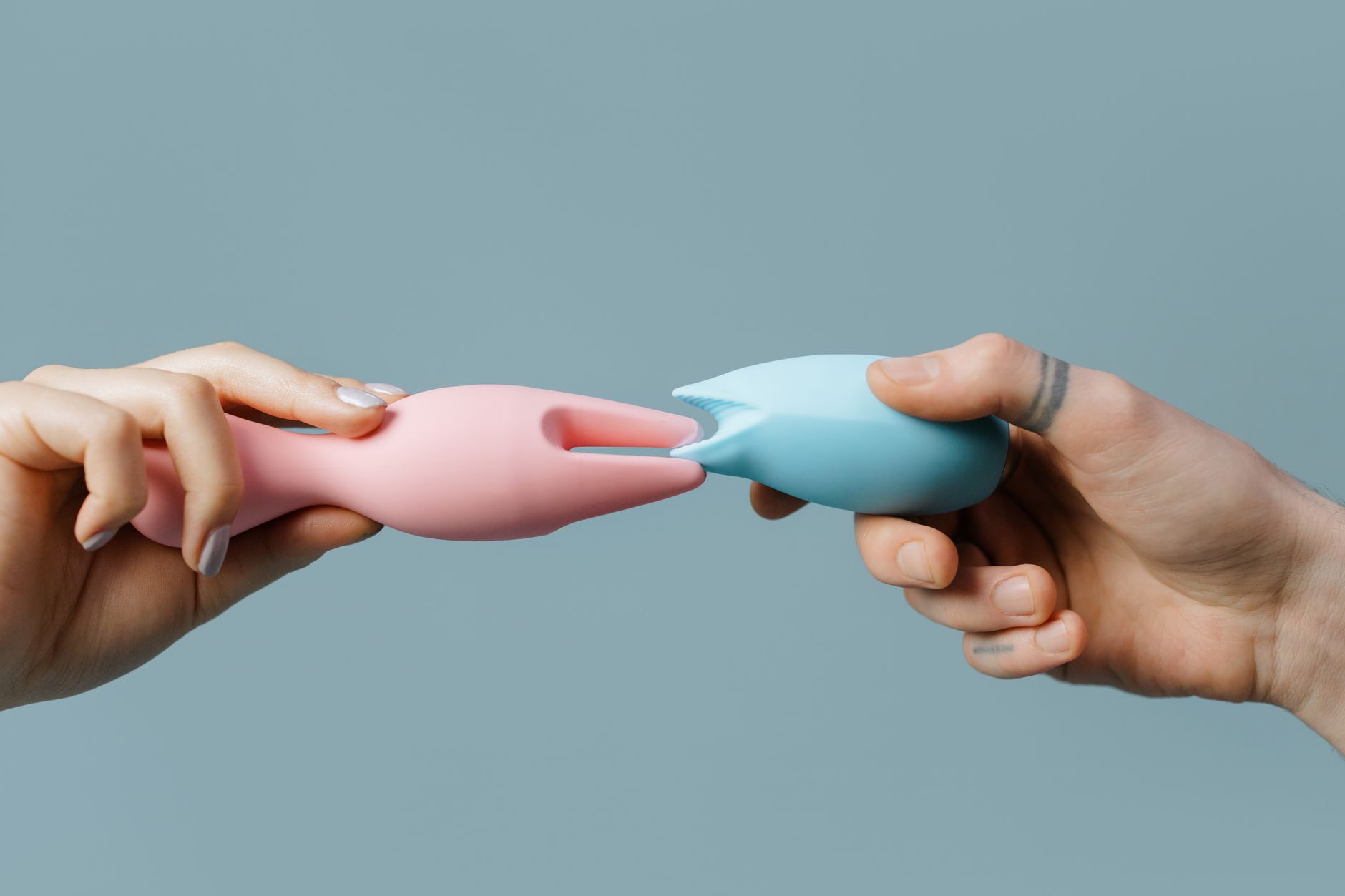
With a lemon vibrator, you have options. The Lem is designed for suction stimulation, which feels very different from traditional vibration. If your partner has used vibrators before and you want something distinct, suction gives your body something genuinely new to experience.
Start with low intensity. Pattern 1 or 2 on most settings. The whole point here is pleasure, not goal-oriented orgasm. Some days you'll want to come quickly. Other days you'll use it as foreplay to extended sensation. Both are valid.
Water-based lubricant is your friend. Even if you produce natural lubrication easily, a good lube changes the sensation and makes the experience smoother. This isn't a sign your body is broken. This is you optimizing for your own pleasure.
How to talk about this with your partner (and why it matters)
This is the part that scares people most. But here's the reality: your partner probably already knows something is shifting. Keeping it secret creates more distance, not less.
You don't need permission. This is your body and your sexuality. But a conversation removes shame and often opens doors.
Try this: pick a calm moment, not during conflict or immediately before sex. Say something like: "I've realized I want to explore my own pleasure more, separate from us. I'm going to use a vibrator on my own. I wanted you to know because I don't want this to feel like a secret."
Then stop talking. Let them respond. They might be relieved. They might be curious. They might feel initially insecure. All of these are okay and normal.
If they ask to watch or join, you get to decide. This solo practice is for you first. If that evolves into something you share, that's wonderful. If it stays private, that's also fine.
Over time, many partners become interested. They might ask to be involved. Or they might just notice that you're less tense, more present, more genuinely interested in sex when it does happen. That shift is often what starts things moving again.
What changes when you're not waiting anymore
Once you've been using a lemon vibrator independently for a few weeks, you'll notice something unexpected. You stop tracking your partner's desire so closely. You're less reactive to their mood. You have your own source of pleasure, so their withdrawal isn't as threatening.
This paradoxically makes you more attractive. You're not desperate. You're not resentful. You're just... present. And present partners are partners people want to come home to.
You might also notice that your own desire increases. This happens partly because you're accessing pleasure regularly, which keeps your nervous system engaged with sexuality. And partly because you're not exhausted from waiting.
Then something else often happens: your partner starts reaching for you again. Not because you fixed them or did something right. But because the pressure is gone and they can feel your actual desire instead of your need.
The conversation that might come next
Once you've reclaimed your own pleasure, you have a different conversation available. Instead of "Why don't you want me?" it becomes "I want us to explore this together sometimes. What would that look like for you?"
That's a very different question. It's not accusatory. It's not passive. It's collaborative. And your partner is much more likely to engage with it.
You might use your lemon vibrator together. You might use it on yourself while they watch. You might find that watching you enjoy yourself becomes foreplay for them. The specifics matter less than the fact that you're exploring from a place of abundance, not scarcity.
If your partner continues to avoid intimacy even after you've worked on your own pleasure and had the conversation, that's different information. That might point to something bigger. Depression. Medication effects. Relationship disconnection that needs couples therapy. But at least you'll know it's not about your desirability.
You'll also know you have access to your own pleasure regardless. That's power. That changes everything.
When to bring in professional support
If the initiation gap has led to real resentment or contempt in the relationship, a couples therapist can help decode what's actually happening. Sometimes low initiation points to desire discrepancy. Sometimes it's anxiety. Sometimes it's grief or burnout that has nothing to do with attraction.
A good therapist can help you both understand what's underneath the pattern. And they can help you rebuild initiation as something playful and mutual instead of weighted with expectation.
This is especially useful if your partner has experienced performance pressure in the past. Using lemon vibrators and rebuilding your own pleasure sends a message: sex doesn't have to be partner-focused to count. That relieves a huge amount of pressure for people who feel like they're not "good enough" at initiating.
FAQ
Can using a lemon vibrator make my partner feel threatened or replaced?
Initially, maybe. But usually only if it's secret or if it's presented as an alternative to partnered sex rather than a complement to it. When you're honest about it and you're still interested in your partner, most people come around. The fantasy that a vibrator will make them "obsolete" usually dies after they see that your life is just richer, not that they've been removed from it.
How often should I use my lemon clitoral vibrator if my partner isn't initiating much?
There's no magic number. Some people find that using it 2-3 times a week keeps their desire and confidence steady. Others prefer more or less. The point is consistency and pleasure, not quantity. Pay attention to what helps you feel most like yourself. That frequency is the right one.
What if I start using a lemon vibrator and my partner says they don't want me to?
That's a boundary conversation you need to have. Your pleasure and your autonomy over your own body are non-negotiable. How you approach that conversation matters, though. "I'm going to explore my own pleasure. I wanted your input on whether you'd like to be involved" is different than hiding it or asking permission. You might need a therapist to navigate this one if the resistance is strong.
Could using a vibrator make my partner less likely to initiate in the future?
The opposite usually happens. When you're not waiting and resentful, you become more attractive. When you're sexually confident and self-directed, most partners respond to that energy. If your partner uses your independent pleasure as a reason to withdraw further, that's a sign something bigger is going on that needs attention.
Is it normal to feel guilty about using a lemon vibrator when my partner isn't as interested in sex?
Completely normal. We're taught that sexual pleasure should be partnership-focused, so solo pleasure can feel selfish. It's not. It's self-care. It's also the thing that often fixes the partnership problem, because you show up to sex as a whole person, not as someone desperate for crumbs of attention.
How do I know if my partner's low initiation is about attraction or about something else?
You ask. After you've done your own work and you're grounded in your own pleasure, you can have this conversation without blame. "I've noticed you're initiating less. I want to understand what's happening for you." Listen. It might be stress, depression, medication, work exhaustion, or relationship disconnection. Each one needs a different approach. But you can't figure that out if you're not willing to ask.
Here's the truth about low initiation and lemon vibrators
Your partner's withdrawal isn't a referendum on your worth. And your solo pleasure isn't a statement about your relationship. It's you saying: I matter. My pleasure matters. My desire is real. And I'm not going to wait for permission to feel good.
That stance often changes everything. Not because you're playing games or using reverse psychology. But because you're actually different when you're not waiting. You're calmer. More confident. More genuinely interested in sex because it's something you do, not something you beg for.
Start with a lemon vibrator. Start alone. See what happens when you stop waiting for your partner to reach for you and start reaching for yourself. That's where the real shift begins.