How Your Hormonal IUD Changes What Happens During Arousal
Let's start here. A hormonal IUD releases a small amount of progestin directly into your system, which suppresses ovulation and thins the uterine lining. What most people don't realize is that it also affects desire, arousal speed, and orgasm intensity. Not always dramatically. But noticeably enough that you might think something's broken when actually your body just shifted.
The good news: nothing is broken. Your nervous system hasn't changed. The clitoral nerves fire the same way. But the hormonal IUD creates a flatter baseline. You're not cycling through estrogen peaks and dips anymore. For some people, this feels amazing. For others, it feels like the volume dial got turned down.
Here's what actually happens physiologically when you're on a hormonal IUD and trying to get turned on.
Desire Takes Longer to Build With a Hormonal IUD
One of the most common complaints I hear from people using a hormonal IUD is that foreplay feels less interesting. It's not that your partner isn't attractive anymore. It's that your brain's arousal system is running on lower hormone levels overall. Progestin dampens some of the dopamine response that usually kicks in when you see or touch something hot.
This means the fantasy phase of sex is often skipped. You can't think your way into arousal the same way you used to. Your body needs actual physical stimulation to wake up.
This is where a lemon vibrator or other clitoral vibrator becomes genuinely useful. Instead of waiting 15-20 minutes for desire to build naturally, direct stimulation from a lemon sucker shortens that runway to 5-10 minutes. You're not forcing anything. You're just giving your body the input it needs to respond.
Sensitivity Often Increases (Yeah, Really)
Here's the plot twist nobody expects. While hormonal IUDs can decrease libido, they often increase clitoral sensitivity. That's because progestin reduces overall systemic inflammation. Your clitoris has thousands of nerve endings, and less inflammation can mean clearer signal transmission. Some people find their orgasms feel sharper and more localized after the IUD insertion.
This is good news for lemon clitoral vibrators, because air-suction design works beautifully with heightened sensitivity. You don't need harsh intensity. In fact, you might find patterns 1-3 on the Lem are all you ever need. Lower intensity, no friction, just pure suction stimulation.
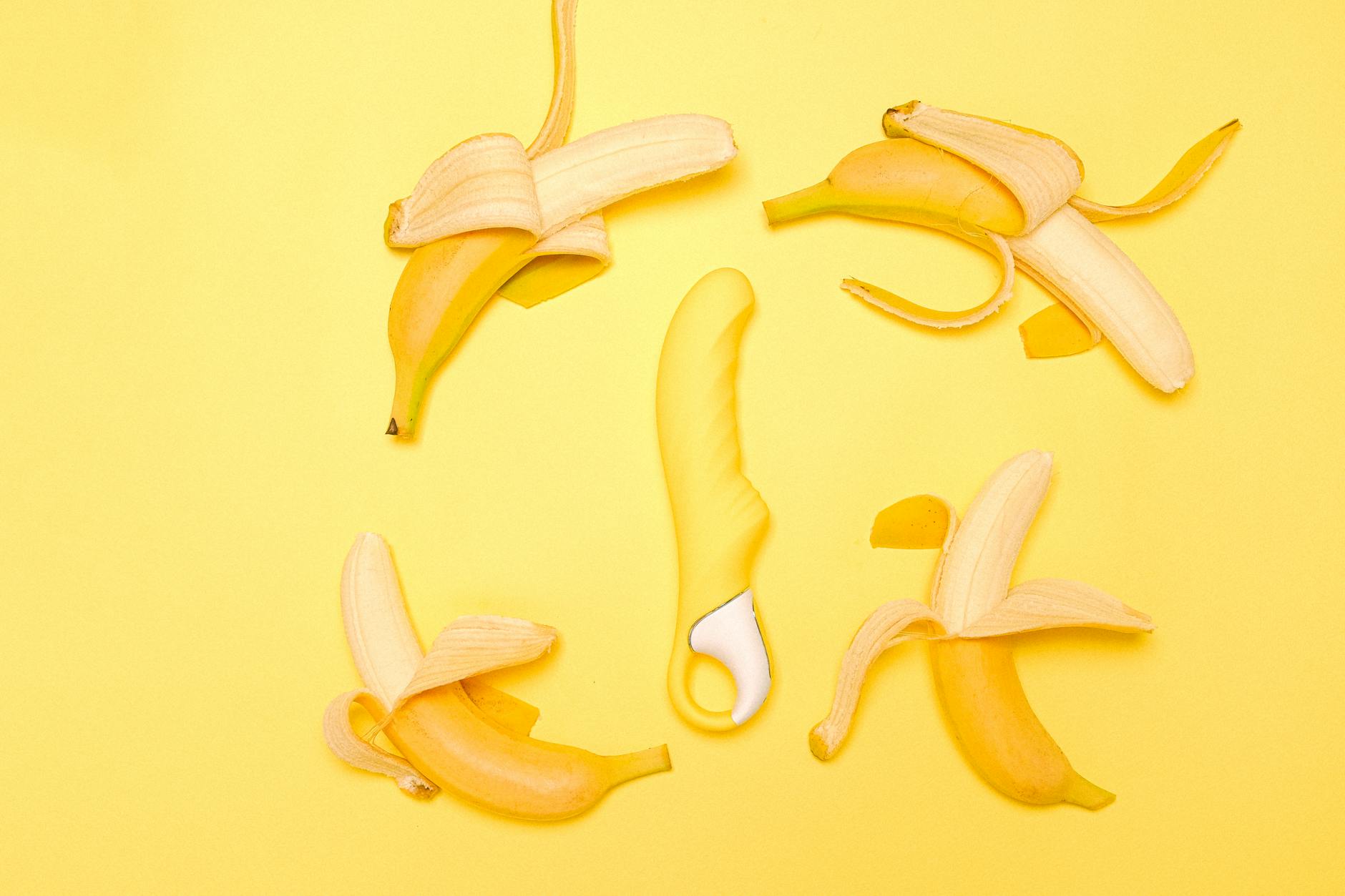
Photo by Anna Shvets on Pexels
The Pleasure Plateau Effect (And How to Work Around It)
One thing that changes with hormonal IUDs is the arousal curve. You don't get the same escalating wave of sensation. Instead, you hit a steady state faster and stay there. For some people, this feels like a ceiling on intensity. You can reach orgasm, but the buildup doesn't have the same crescendo feeling.
Honestly, this is less about the vibrator and more about working with your body's new rhythm. Here are three ways to adjust.
Extend the warm-up. If your body plateaus quickly, use that. Start with a lemon vibrator on a low pattern for 10-15 minutes. Let yourself stay in that pleasure zone. Often, a second orgasm comes more easily than the first once you're already warmed up.
Layer sensation differently. Combine your Lem with touch from your partner, or add another type of stimulation (interior, external, mental focus). The hormonal IUD doesn't change your capacity for pleasure. It just changes how you access it.
Reframe what intensity means. Intensity isn't always about heat and drama. Sometimes it's precision. A lemon sucker at pattern 2, held perfectly still on your clitoris for five minutes, can create a deeply satisfying sensation that feels more powerful than frantic vibration.
Lubrication Usually Stays Fine (Unlike Hormonal Birth Control Pills)
Unlike some hormonal contraceptives that dry you out, hormonal IUDs typically don't affect vaginal lubrication much because the hormone dose is so much lower and localized. Most people don't notice a change in wetness.
This is important because it means if you want to use a lemon vibrator for external clitoral stimulation, you might not need additional lube. If you do want to add lube for comfort or glide, go for it. But it's not usually a necessity the way it is for people on birth control pills or dealing with other hormonal shifts.
Orgasm Often Feels Different (And Frequently Better)
People describe post-IUD orgasms in different ways. Some feel narrower, more focused in the clitoris. Some feel quieter, less full-body. Some report they're actually more intense and easier to reach than before the IUD. The variation is huge.
What I've seen clinically is that people who adapt their approach end up reporting the best outcomes. If you're expecting the same orgasm you used to have, you'll be disappointed. If you treat it like relearning your own body, you often discover new patterns you actually prefer.
A lemon vibrator helps with this because it gives you feedback. You can experiment with different patterns, different positions, different speeds at your own pace. No pressure. Just exploration.
When to Worry About Hormonal IUD and Sex Drive
Let me be clear: if you had an orgasm before your IUD and you're having difficulty now, that's normal adjustment, not permanent damage. Most people adapt within three to six months.
If your sex drive has completely disappeared and isn't showing any signs of coming back after six months, talk to your gynecologist. Sometimes the progestin dose just isn't right for your body, and switching to a copper IUD or different hormonal option might help. That's not a failure. That's information.
If you're experiencing pain during sex or with orgasm, that's also worth mentioning to your provider. The IUD placement itself can cause some soreness initially, but that should resolve. If it doesn't, get it checked.
Using the Lem or Other Lemon Clitoral Vibrators With Your Hormonal IUD
Here's my practical roadmap.
Start on pattern 1. Yes, the Lem has five patterns. You'll probably live on patterns 1-3 while on a hormonal IUD. That's fine. Lower intensity actually lets you feel the suction sensation more clearly.
Take your time. Budget 15-20 minutes for solo sessions, especially at first. Your body isn't in a rush. Neither are you.
Track what works. Keep mental or written notes on which patterns feel best, which times of day you're most responsive, whether your body responds differently at different points in your cycle. Even on a hormonal IUD, there are subtle fluctuations.
Consider your partner if you have one. If you're using a lemon vibrator with a partner, let them know the shift is hormonal, not about them. You might need a different kind of foreplay now. That's an adjustment you make together, not a problem you fix alone.
The Bottom Line
A hormonal IUD changes your arousal baseline. It doesn't erase pleasure. It shifts the terrain. And the tools that work best are often the ones designed for precision and lower intensity, which is why many people find that a lemon clitoral vibrator becomes their favorite device once they're on the IUD. You're not fighting against your body's new biochemistry. You're working with it.
If you want to dig deeper into how your pleasure responds to different contraceptive choices, we're here to help. Reach out anytime.
People Also Ask
Can you use a vibrator right after getting a hormonal IUD inserted?
Most gynecologists recommend waiting about one week after IUD insertion before any internal penetration or vigorous activity. External stimulation with a lemon vibrator on your clitoris is generally fine to resume after a few days, but check with your provider first. Everyone's insertion experience is different. Some people feel fine immediately. Others need a bit more recovery time. Listen to your body.
Does a hormonal IUD make it harder to orgasm?
For some people, yes. For others, no. About 30-40 percent of IUD users report a temporary dip in orgasm intensity or frequency in the first few months. Most adapt and return to baseline or report better results than before. The progestin dose is much lower than birth control pills, so the effect is often milder. If you're struggling after six months, it's worth talking to your gynecologist.
Will my sex drive come back after my hormonal IUD?
Most likely, yes. The hormonal adjustment happens in the first two to three months. By six months, most people's desire returns to whatever baseline they had before the IUD. If it doesn't, that's when you explore whether the IUD is the right fit for your body, or whether something else is going on.
Is a lemon sucker better than a traditional vibrator for hormonal IUD users?
Not objectively better, but often more comfortable. Air-suction design (like the Lem) creates sensation without friction and doesn't require building up a strong internal contraction to feel good. If your body feels flat or plateaued on a hormonal IUD, suction stimulation often resets that sensation more effectively than traditional vibration. That said, some people prefer wand vibrators or other styles. Your best bet is trying what feels right to you.
Can a hormonal IUD affect pleasure permanently?
No. If you ever remove your IUD or switch to a different contraceptive, your hormone levels return to their baseline within a few weeks. Pleasure sensitivity bounces back. The changes are temporary and reversible. Your body isn't permanently altered by the progestin from the IUD.
How long does it take to adjust to sex with a hormonal IUD?
Most people feel adjusted within two to three months. By six months, what felt weird in month one usually feels normal. If you're at six months and still struggling, that's valuable information that the IUD might not be the right choice for your body. There's no shame in that. Everyone's different.